

You used to spend an afternoon fighting a bug, and somewhere in that fight something got built, not just the fix, but you. Now you describe the bug to a model and it hands you three options before your coffee’s cold. Faster. Cleaner. And somehow you end the day more wiped than you did when the work was slower and dumber.
Here’s why: the tool took the friction, not the load. The slow part, the part that used to double as recovery, the staring-out-the-window-while-it-compiles part. That’s gone. What’s left is decision after decision after decision, at a pace set by something that never needs a weekend. Plus the low hum that you’re already behind, because another model shipped Tuesday and half of what you knew expired with it.
So you’re exhausted. And if you’ve been reading my newsletter for any length of time, you probably feel a little guilty about it.
That’s on me.
Two years I’ve told you your comfort zone is where dreams go to die. Burn the safety net. Stay in the discomfort. Do the work nobody wants to do. I stand by every word of it. But I’ve said it so many times, and so loudly, that I think some of you have walked away with a conclusion I never meant: that the answer is always more. That if you’re tired, you just haven’t earned the right to stop yet. That rest is the enemy.
Rest is not the enemy. It never was. The point was always to push and recover, I just spent two years with the volume cranked on the first half.
Rest And Comfort Are Not The Same
The Stoics had a clean way to think about this, and it’s the thing that keeps “rest is fine” from collapsing into “comfort is fine”, because those are very different claims.
To a Stoic, comfort is a preferred indifferent. Nice to have. Not the point. Not the good. And so is rest. Neither one is virtue. But neither one is the villain, either. The villain is never rest. The villain is mislabeling: calling one thing by the other’s name.
Seneca didn’t treat leisure as a reward for the weak. He treated it as maintenance for the strong. The mind has to be given some relaxation, he argued, fields that get cropped every single year without a break go barren, and a bow kept always bent will snap. He called it otium: not the absence of work, but the soil work grows back in. Rest wasn’t the opposite of the disciplined life. It was part of the equipment.
The Problem: Rest And Avoidance Feel Identical
Rest and avoidance feel exactly the same.
Both feel like relief. Closing the laptop because your brain is fried feels identical, in the moment, to closing the laptop because the next ticket scares the hell out of you. You cannot tell them apart by how good it feels to stop. They both feel like getting off your feet. And the modern version is sneakier still: letting the machine do the part you’re afraid of also feels like relief. Like efficiency. Like rest. It isn’t. It’s the comfort zone wearing an efficiency badge. Frictionless is not the same as rested.
So if the feeling lies, what’s the tell?
This one: real rest restores your capacity to come back to the hard thing. Avoidance removes the hard thing so there’s nothing left to come back to.
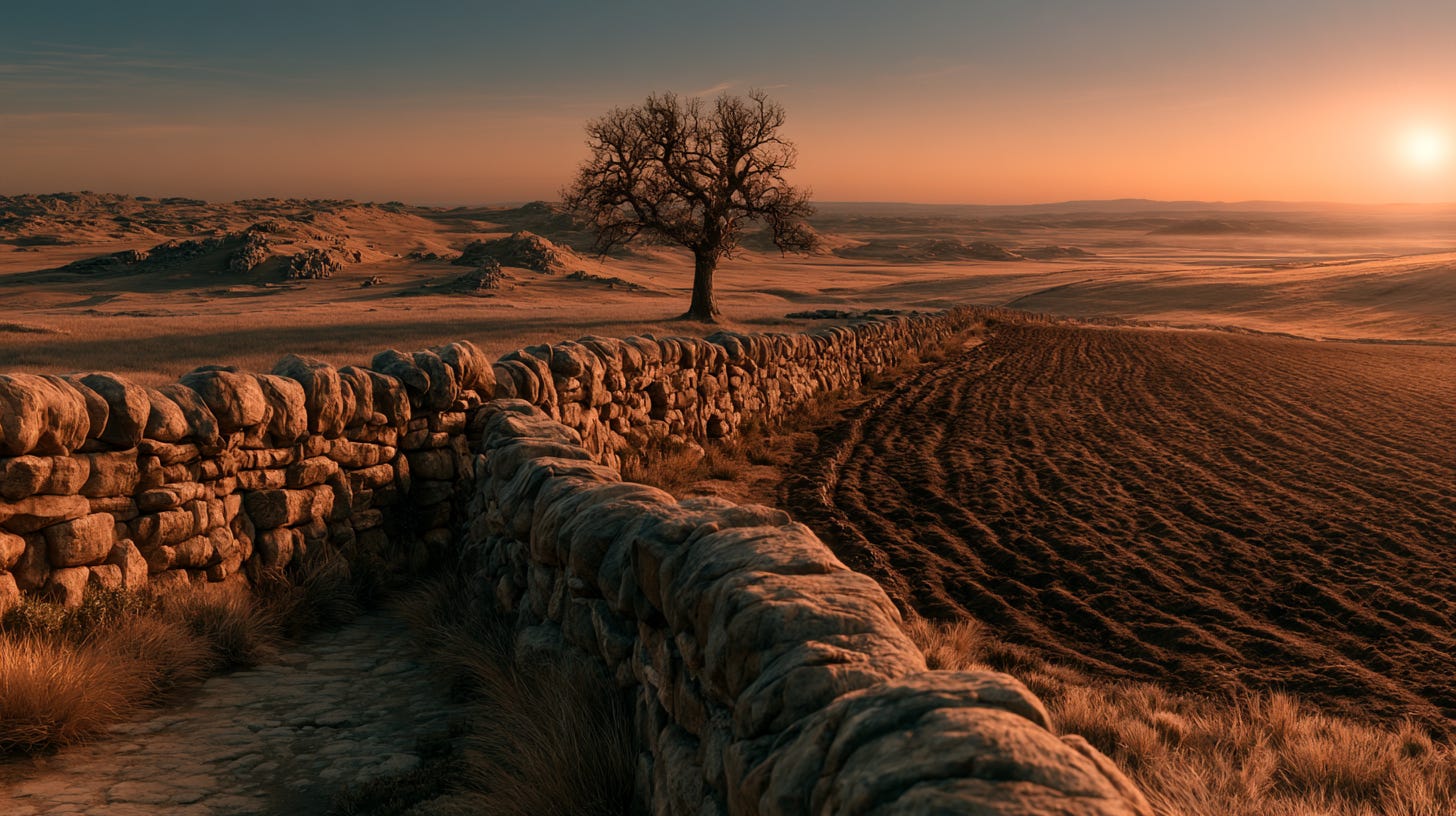
A field lies fallow so it can be planted again. That’s rest. A field that’s been abandoned just goes to weeds. That’s avoidance. From a distance, on any given Saturday, they look the same. Nobody’s working either one. The difference doesn’t show up in the moment. It shows up in whether you return.
What Real Rest Actually Looks Like
Watching tutorials on your day off is not rest. That’s work you forgot to bill for. “Productive rest” is mostly a story we tell ourselves so we never have to fully stop: keep the anxiety, just slap a productivity label on it. Real rest is the kind where the thing actually powers down. Where you’re unreachable and the build can wait until Monday, because it will, in fact, wait until Monday.
And then the hard one: sometimes, rest means saying no to the stretch project.
There’s a difference between not now and not ever.
“I don’t have the capacity for that this quarter; I need to recover first” is rest. “I’ll never be ready for that” is the comfort zone, and it’s the precise thing I’ve spent two years telling you to burn down. Almost the same words. Opposite move. The fallow field gets planted in spring. The abandoned one is just a decision you’re lying to yourself about.
Then Go Back
That’s the entire test, and you can carry it in your pocket: am I going back?
Rest so you return to the difficulty sharper. That’s discipline too. Maybe the hardest kind, in a year when the pace is set by a thing that never sleeps and never has to.
Because here’s the one difference between you and the machine that actually matters: it doesn’t get tired, and it never has to come back to anything. You do. You’re allowed to. You’re built to.
Take the weekend. Then go back.
Quote of the Day:
“Our minds must relax: they will rise better and keener after a rest.” - Seneca
👉 If you enjoy reading this post, feel free to share it with friends!
Or feel free to click the ❤️ button on this post so more people can discover it on Substack 🙏
You can find me on X and Instagram.
"Seneca didn’t treat leisure as a reward for the weak. He treated it as maintenance for the strong."
🤌🤌🤌
Going to carry this one forward, for sure. I have a daily practice of leisure that I give to myself; around 30-60 minutes. It's completely disconnected from any work or obligations, and I look forward to it each day.